
UAE Event Tech
The Rise of AI, AR, and VR in UAE Events
From GITEX keynotes in Dubai to royal-scale National Day shows in Abu Dhabi, immersive technology has stopped being a gimmick and become part of the brief. Organisers now plan AI, AR and VR into events the same way they plan staging, catering and security.
Why immersive tech is growing so fast in the UAE
The UAE has spent the last decade positioning itself as a testbed for advanced technology. The country published a National Strategy for Artificial Intelligence aiming for 2031, appointed the world’s first Minister of State for AI in 2017, and hosted Expo 2020 Dubaiwhich drew more than 24 million visits and showcased AR pavilions, robotic guides and AI-driven crowd management at scale. That ecosystem trickled straight into the events industry.
Add a young, smartphone-first audience, generous government spending on tourism and MICE (meetings, incentives, conferences, exhibitions), and a pipeline of marquee fixtures like the Dubai Airshow, Abu Dhabi Finance Week and COP28, and you have a market that rewards organisers who push past plain conference formats.
- Government push: AI, metaverse and Web3 strategies set explicit 2030/2031 targets.
- Tourism economics: Dubai and Abu Dhabi compete for repeat visitors with memorable, share-worthy moments.
- Sponsor demand: Brands want measurable engagement, not just badge scans.
- Talent and supply: A dense layer of agencies offers ready-made interactive technology for events across Dubai, Abu Dhabi and Sharjah.
How AI, AR and VR actually show up at UAE events
The three technologies tend to work in layers. AI runs in the background handling logistics, personalisation and content generation. AR sits on phones and smart glasses, adding a digital layer to physical spaces. VR is reserved for high-impact moments where a guest gets a private, headset-driven experience.
A typical large corporate launch in Dubai today might use all three: AI chatbots and matchmaking before the event, AR product reveals on stage, and a VR demo zone on the expo floor.
- AI registration and matchmaking: Smart suggestions of who to meet, instant Arabic and English translation, sentiment analysis of audience Q&A.
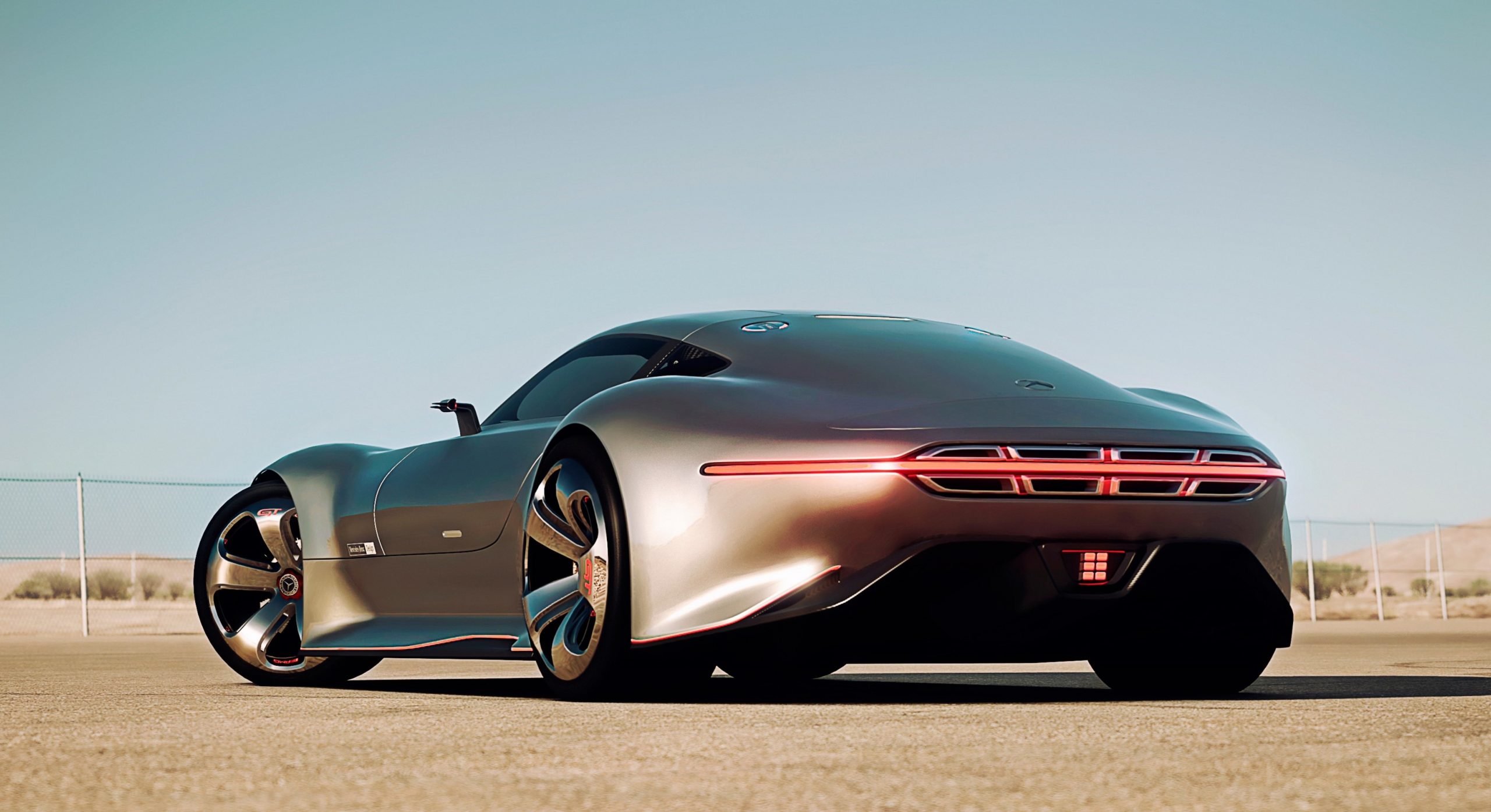
- AR product reveals: Cars, watches and real estate projects launched as life-size holograms over the stage or through phone cameras.
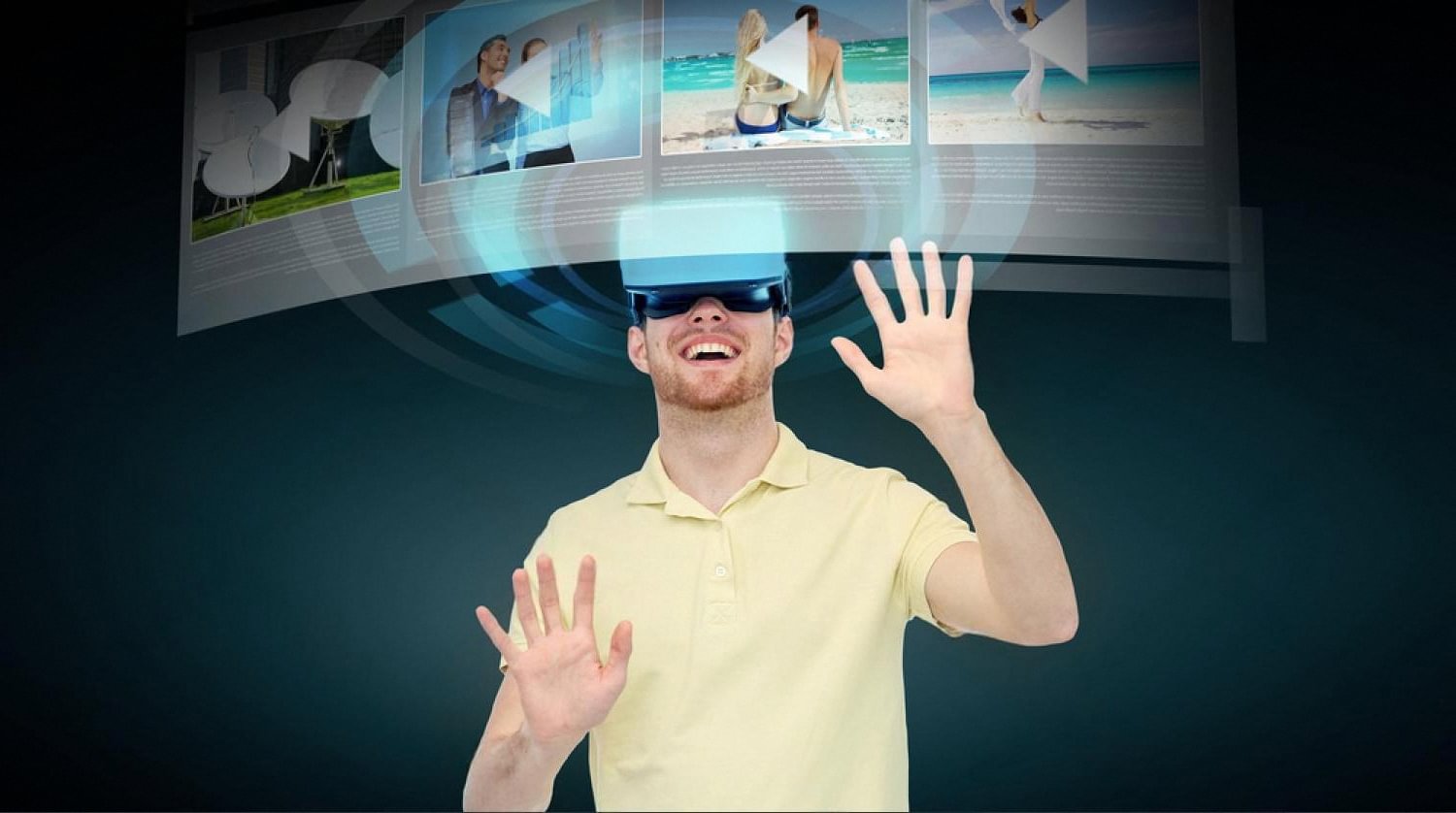
- VR site visits: Off-plan property tours and theme-park previews shown without leaving the venue.
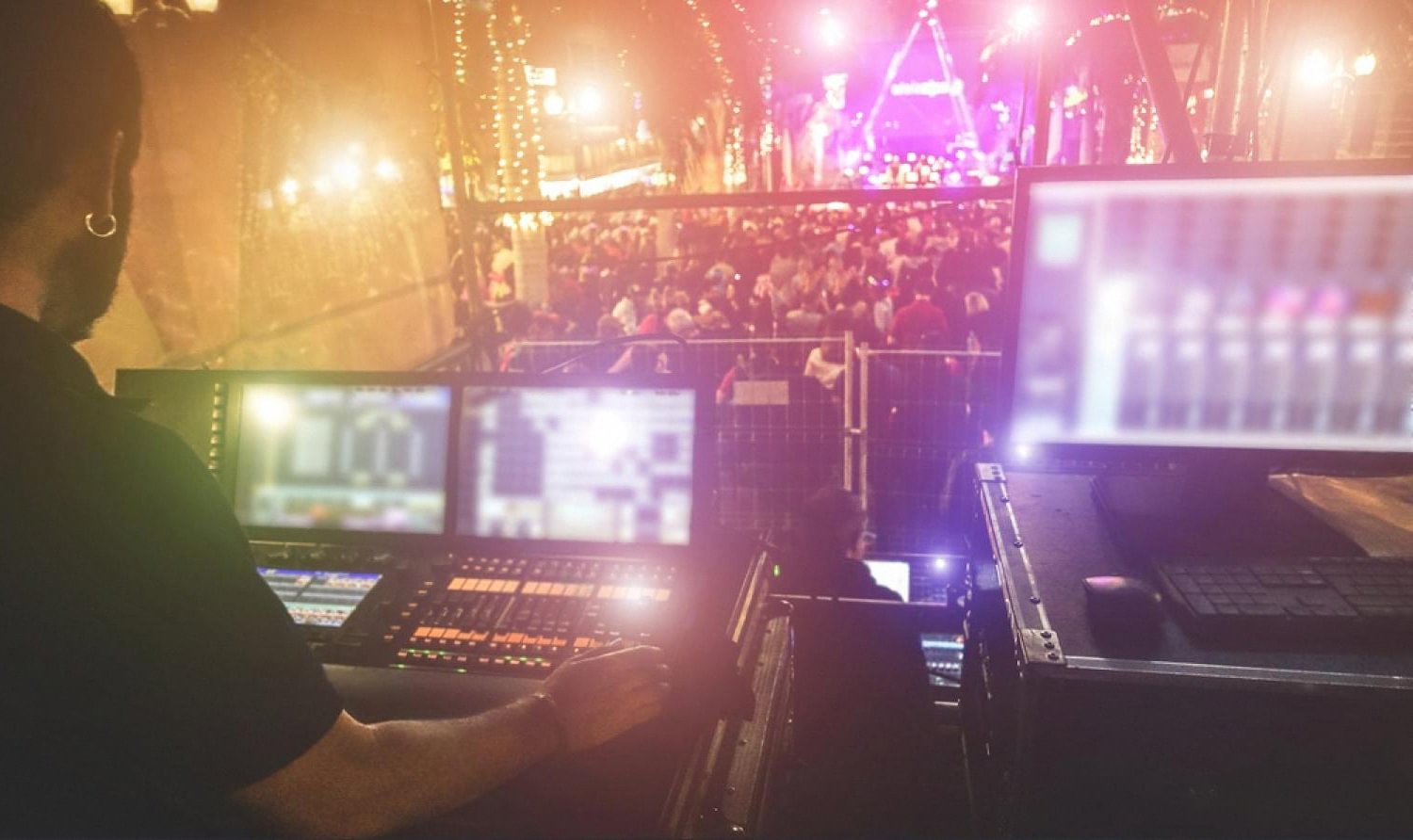
- AI-driven visuals: Generative content, animated mascots and real-time projection mapping that reacts to music and crowd movement.
- Smart crowd management: Computer-vision cameras counting density, predicting bottlenecks and feeding ops teams.
Benefits for organisers and attendees
For organisers, the appeal is sharper data and better storytelling in the same budget line. AI tools cut the manual work in scheduling, lead capture and post-event reporting. AR and VR turn a stand or a stage moment into something people film and share, which extends the event well beyond its venue.
For attendees, the value is convenience and a sense of being included. A first-time visitor at a Dubai expo can navigate halls with AR wayfinding, ask an AI assistant for the next session in their language, and walk away with a personal recap by email an hour after the closing speech.
- Higher recall: Multi-sensory moments stay in memory longer than slide decks.
- Lower friction: Self-service check-in, facial recognition entry, smart badges.
- Real measurement: Dwell time, heat maps and engagement scores per zone.
- Inclusive access: Live captions, on-demand translation and remote VR attendance for guests who cannot travel.
Five takeaways for UAE event planners
- Start with the story, not the kit. A VR headset adds nothing if the narrative does not need it.
- Design for phones first. Most AR in the UAE is consumed on personal devices, not borrowed hardware.
- Plan bilingual AI from day one. Arabic and English coverage is expected, not a bonus.
- Build a quiet VR zone. Headsets need space, hygiene wipes and trained staff, not a corner of the buffet.
- Capture the data responsibly. Align with the UAE Personal Data Protection Law before you collect a single biometric scan.
“The brief is not ‘put a hologram on stage’ anymore. Clients want the AI, the AR moment and the data dashboard to all talk to each other.”
Trends, challenges and what comes next
The next eighteen months in the UAE point toward tighter integration rather than flashier individual stunts. Expect AI agents that brief speakers on the audience profile minutes before they walk on stage, AR glasses replacing printed maps at large exhibitions, and hybrid events where remote attendees join a shared VR room from anywhere in the GCC.
Sustainability is also pushing organisers toward digital twins of venues, allowing rehearsal and stakeholder approval without flying teams in. The Dubai Metaverse Strategy explicitly targets jobs and GDP contribution from virtual experiences by 2030, which is keeping investment flowing into event-facing studios.
The challenges are practical. Headsets are still heavy for long sessions, generative AI can produce off-brand or culturally insensitive output if left unsupervised, and connectivity inside cavernous halls can choke AR experiences at peak hours. None of these are deal-breakers, but they need to be on the risk register.
The biggest mistake we see is treating immersive tech as decoration. If the AR layer disappears and the event still works exactly the same, you spent the budget in the wrong place. Tie every immersive element to a specific outcome: a sign-up, a memory, a measurable lift in dwell time.
A realistic picture, not a hype reel
For all the headlines about the metaverse and AI everywhere, most UAE events still run on people, logistics and good catering. What has changed is that immersive technology is no longer a separate line item bolted on at the end. It sits inside the creative concept from the first client meeting, and the agencies that win pitches are the ones that can connect a stage moment to a CRM record and a follow-up email without a human in the middle.
That quiet integration is the real story behind the rise of AI, AR and VR in UAE events. The country is not just adopting these tools, it is normalising them.
Frequently asked questions
Which UAE events are leading the use of AI, AR and VR?
GITEX Global, the Dubai Airshow, Abu Dhabi Finance Week, COP28 and large brand launches by Emirates, Etihad, Emaar and Aldar have all featured serious immersive components. National Day celebrations in both Dubai and Abu Dhabi routinely use drone shows, projection mapping and AI-driven choreography at a scale rarely seen elsewhere.
How much does it cost to add immersive technology to an event in the UAE?
It varies widely. A simple AR filter or AI chatbot can be added for a low four-figure budget in AED. A custom VR experience zone with branded content, headsets and staffing typically starts in the mid five figures and rises from there.
The honest answer is to scope the outcome first. A short, well-produced 90-second AR reveal often beats a sprawling VR setup that nobody queues for.
Do attendees in the UAE actually engage with VR at events?
Yes, when it is short and well staffed. The sweet spot is a two to four minute experience with a clear payoff, supervised by trained staff who can fit the headset, sanitise it and reset the demo quickly. Long, seated VR sessions tend to underperform at busy expos because attendees are conscious of the queue behind them.
Is Arabic-language AI mature enough for live UAE events?
It has improved significantly. Modern large language models handle Modern Standard Arabic and most Gulf dialects well enough for chatbots, live captioning and translation. For high-stakes keynotes you should still have a human reviewer in the loop, particularly for cultural and religious sensitivity.
What are the main risks of using AI, AR and VR at events?
The recurring risks are data privacy under the UAE Personal Data Protection Law, network capacity inside large venues, hardware hygiene for shared headsets, and unsupervised generative AI producing off-brand content. Each can be managed with the right policies and rehearsal time, but they need to be planned, not assumed.
Will physical events shrink as VR matures?
Unlikely, at least in the UAE. The country’s events economy is tied to tourism, hospitality and face-to-face deal-making. VR is more likely to expand the reach of physical events, letting remote guests join sessions and previews, rather than replace the in-person experience.